


BIM is the method, and the information model it produces, used to design, coordinate and build an asset. A Digital Twin is that model connected to live data from the building in operation and used to make decisions on maintenance, energy and space. BIM answers "how should this asset be built", a Digital Twin answers "how is it performing right now".
Mixing up the two is expensive. Clients ask for a Digital Twin when what they need is a good as-built model, or receive a BIM model that someone has labelled a twin. This article compares the two side by side and explains when each one is worth the investment.
The difference in one table
| BIM | Digital Twin | |
|---|---|---|
| Purpose | Design, coordinate disciplines, take off quantities, build | Run the asset: maintenance, energy, space, future works |
| Phase | Design and construction, up to as-built handover | Operation, for the whole service life; a construction twin also exists on site |
| Data | Geometry, object attributes, quantities, design documents | The BIM model plus live data: BMS, IoT sensors, meters, CMMS work orders |
| Updates | At each design revision or delivery, following the delivery schedule | Continuous or periodic, with every system reading and every intervention |
| Who uses it | Designers, BIM coordinators, contractors, site supervision, the client's team | Owner, facility manager, energy manager, maintenance crews |
| Output | Federated models, 2D drawings, clash reports, quantities, as-built | Dashboards, alerts, maintenance plans, consumption analysis, scenarios |
The last row matters most. BIM produces models and documents that someone approves. A Digital Twin produces decisions that someone takes every week.
What BIM does
BIM is there to build it right the first time. Discipline models are federated, clashes between structure and MEP are solved on screen rather than on site, and drawings are extracted from the models so documents and model stay aligned.
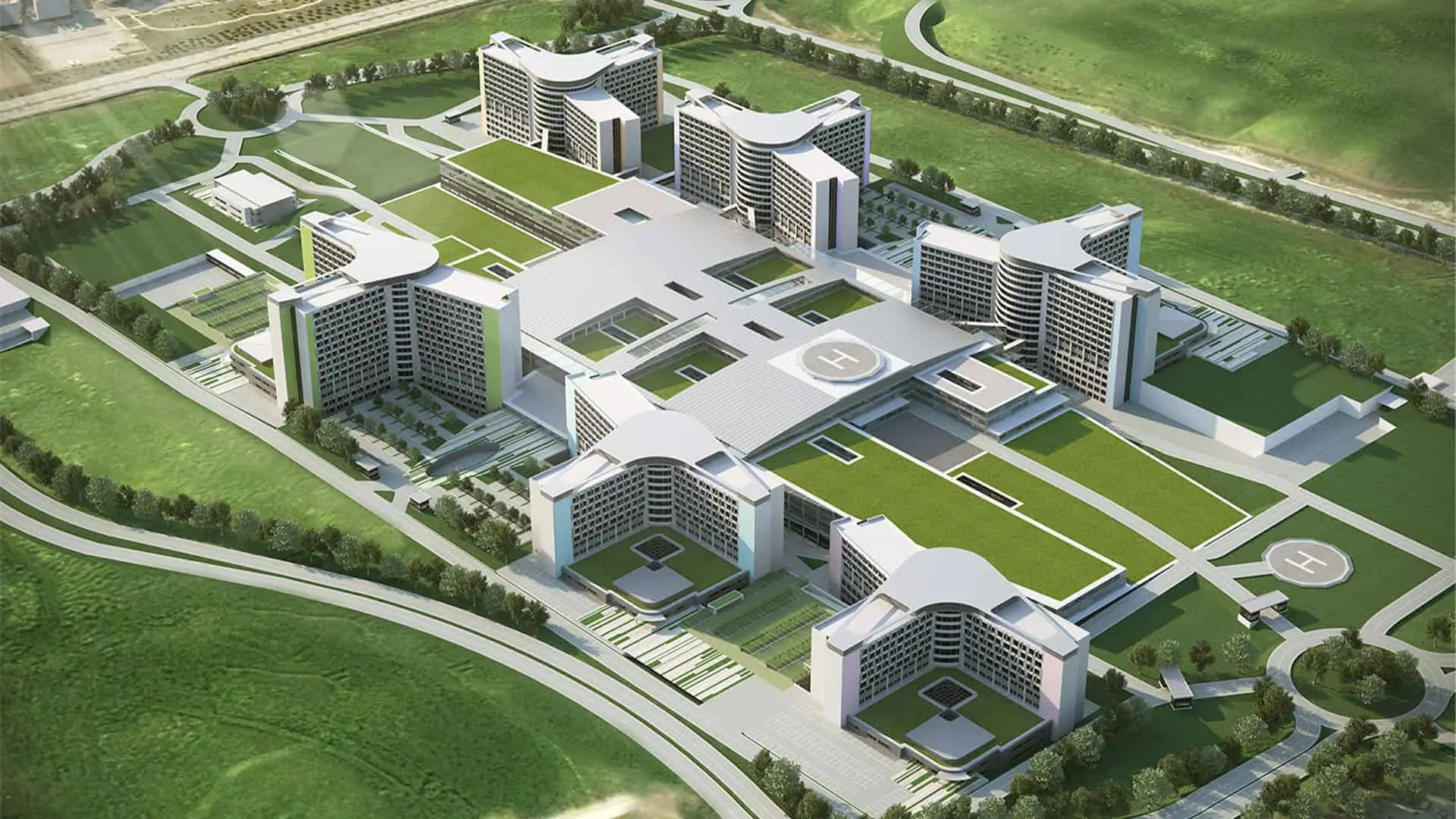
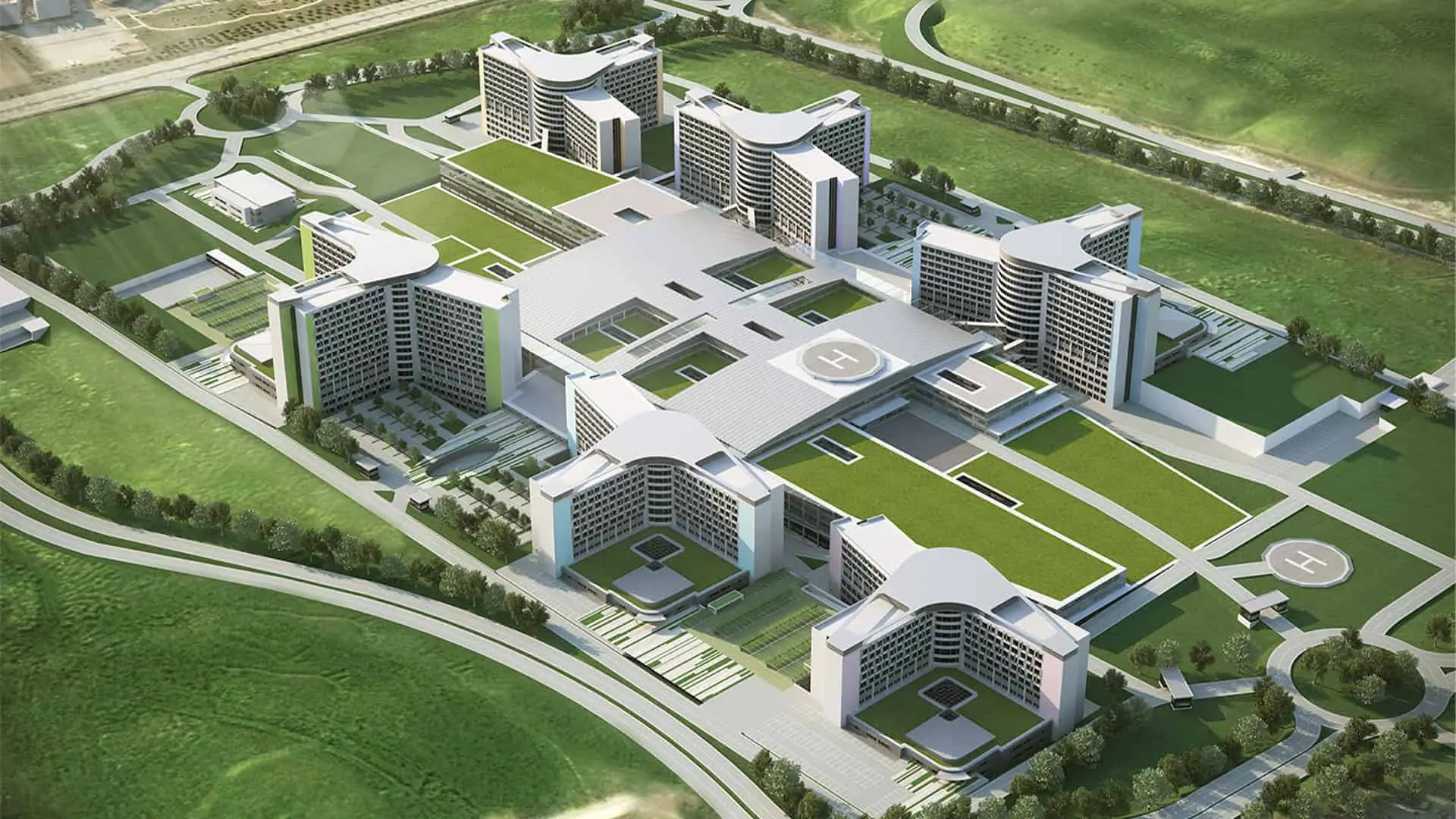
At Etlik Health Campus in Ankara, working for Astaldi, BIMON designed the mechanical systems in BIM and supported the design of electrical systems and civil works. All models were integrated into one federated model for clash management. During construction the same model was used to track site progress and control construction costs.
That is a mature use of BIM, including during construction. It is not an operational Digital Twin: the model follows design and site, not the hospital's energy use or equipment failures.
In Italy BIM is also a legal requirement. Since 1 January 2025, Article 43 of Legislative Decree 36/2023 requires it on public works with an estimated cost above €2 million, and the information requirements set out what must be delivered. We cover the rules in our article on the Italian BIM mandate.
What a Digital Twin does
A Digital Twin has three parts: an information model of the asset, a connection to real data, and a decision loop that uses that data. Without the third part you have a dashboard on top of a model, not a twin.
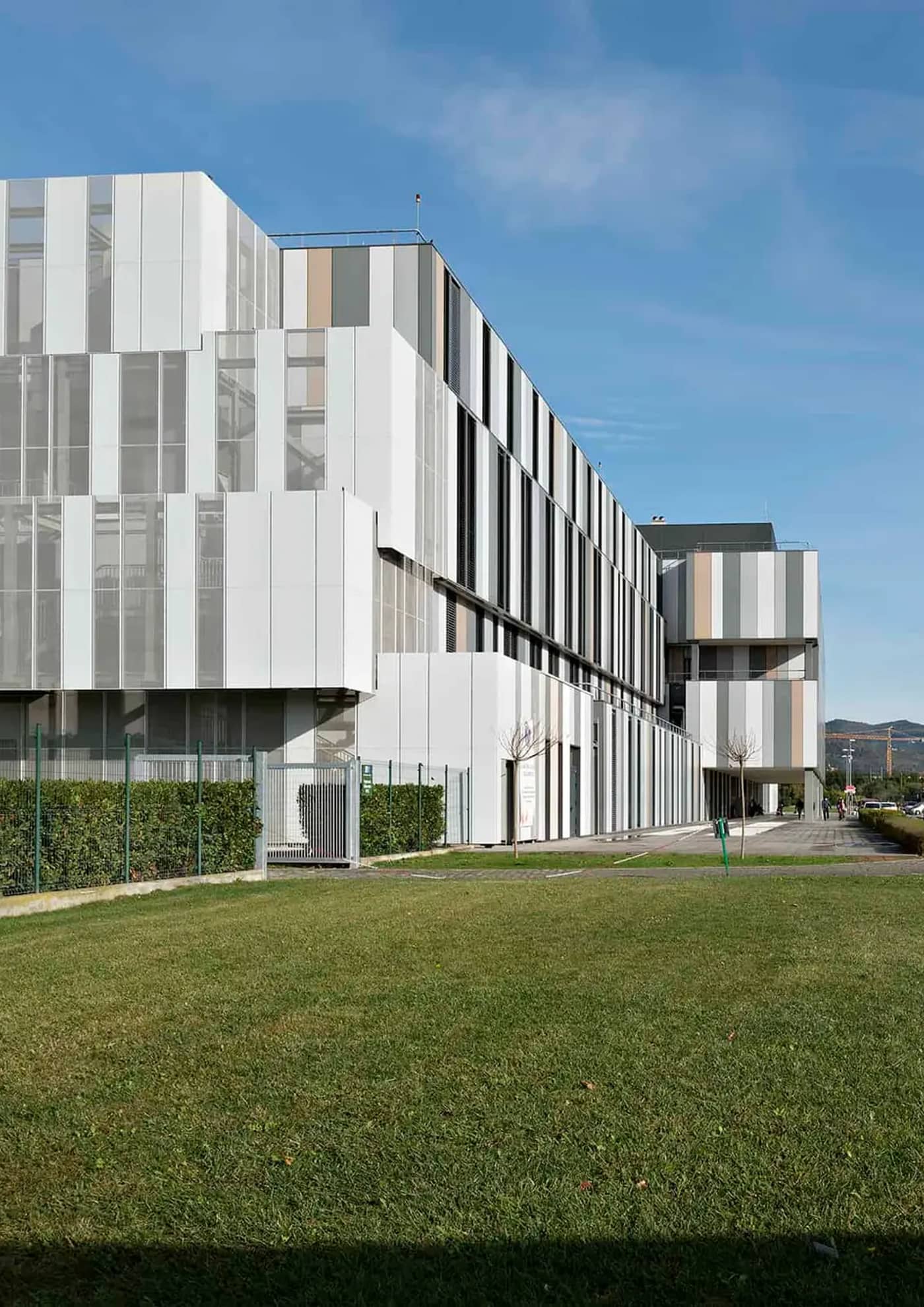
For Prato hospital, 60,000 m² and 540 beds, BIMON built for Impresa Pizzarotti the BIM model of the building and all its MEP systems, with every asset needed for operation. The model was then integrated with IoT sensor and BMS data on a platform connected to the hospital's management system. On the collected data, artificial intelligence algorithms support predictive maintenance and energy savings.
The starting point was still the model. Accurate scans, automatic recognition and classification of components, and checks on information content gave the twin a reliable base. Pizzarotti will operate the hospital for 25 years, which is exactly the kind of owner for whom a twin pays back.
The bridge between the two: the as-built model
Between BIM and Digital Twin sits a link that is often overlooked: the as-built model, the asset as it was actually built.
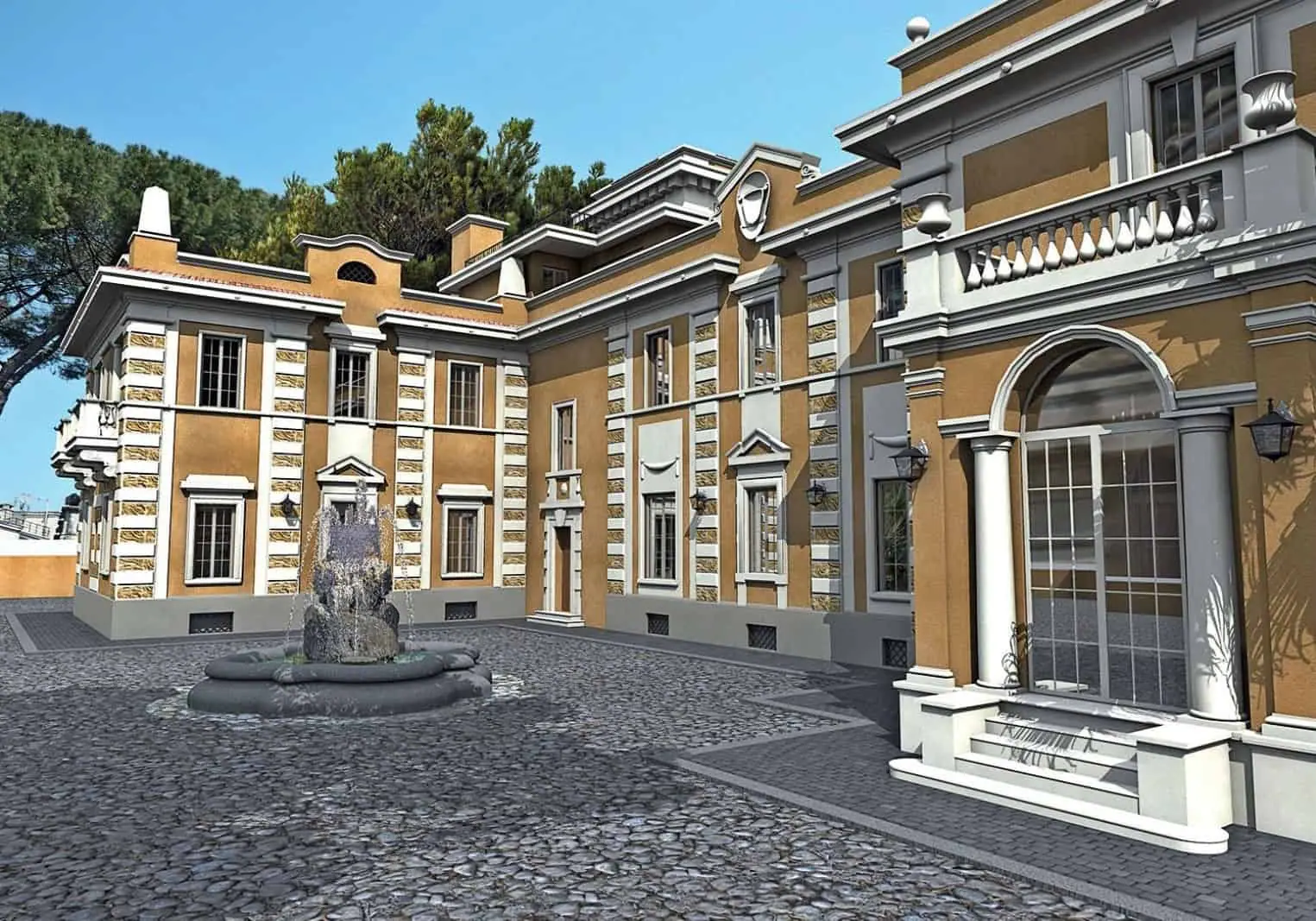
At Villa Serena, a historic villa of about 3,000 m² in Rome's Parioli district, BIMON developed for BLD Management a multidisciplinary as-built model updated alongside the works and intended for facility management afterwards. The laser scan survey has sub-centimetre error, element positions were checked against the point cloud, and Power BI dashboards updated at every modelling progress stage.
An as-built model like this is the foundation of an operational twin. The twin starts when the model is connected to the building's systems and kept up to date after the works end. For existing buildings the route almost always goes through a Scan to BIM survey, described in our Scan to BIM guide.
When you need BIM, when you need a Digital Twin
You need BIM when:
- you are designing or refurbishing an asset and must coordinate several disciplines;
- the contract is public and above the Article 43 threshold in Italy, or the client asks for it;
- you want to check quantities, costs and schedule before work starts;
- you must hand over a reliable as-built model at completion.
You need a Digital Twin when:
- you will operate the asset for many years, as owner, concessionaire or operator;
- energy or maintenance costs are high enough to justify analysing the data;
- data sources already exist, such as BMS, meters and maintenance software, that nobody cross-references today;
- there is a recurring decision that current data cannot support.
If none of the second list applies, a well-made as-built BIM model is the right investment. The twin can be added later, provided the model was set up with operation in mind.
How to set up BIM so it can become a twin
If you already know you will want a twin, a lot of work can be saved during design and construction.
- Write operational attributes into the information requirements, starting with asset codes, so the handover model is usable in operation.
- Align identifiers across the BIM model, BMS and maintenance software. It is the least visible task and the one that decides whether the connection holds.
- Ask for a verified as-built, not the last design revision updated by hand.
- Start from one decision, for example which equipment generates the most reactive maintenance, and connect only the data that decision needs.
To estimate whether a twin pays off on your portfolio, try our Digital Twin ROI calculator. Definitions of BIM, Digital Twin and as-built are in our glossary, and the maturity levels of a twin are described in what a Digital Twin really is.
What BIMON does
We work across the whole chain. In design and construction we provide BIM management and coordination; in operation our O&M Digital Twin service covers modelling, data integration and analysis. If you have an asset and are not sure whether you need a model or a twin, we start from the question it has to answer.