


A digital twin in construction is an information model of a building or infrastructure that stays connected to the real asset, through data from its systems, sensors and maintenance activities, and is used to make decisions. If the model is not updated by the asset and nobody decides anything with it, it is a good BIM model, not a twin.
The term is used loosely, often for any 3D model with a dashboard on top. In this article we explain how we use it at BIMON, the maturity levels we see on real projects and what three of our projects look like from the inside.
Three parts that make a twin
Every digital twin we have built has the same three components.
The information model. A BIM model of the asset with the objects that matter for the use case: rooms, equipment, MEP systems, structural elements. Each object carries the attributes needed in operation, such as asset codes, manufacturer data and maintenance plans. For existing assets the model often starts from a Scan to BIM survey.
The data connection. Live or periodic data from the asset: BMS points, meters, IoT sensors, CMMS work orders, occupancy. The model and the data must share the same identifiers, otherwise the connection breaks at the first replacement of a component.
The decision loop. Somebody, or some algorithm, uses the combined data to act: schedule maintenance, change a setpoint, plan a renovation phase, approve a construction sequence. This is the part most often missing.
Maturity levels
We classify twins in five levels. The levels are cumulative: you cannot skip the model and jump to predictions.
Level 0: reality capture
Point clouds, photos and drawings of what exists. Useful for design and verification, but there are no objects and no attributes yet.
Level 1: information model
A structured BIM model, as-designed or as-built, with an agreed level of information need. It answers the questions "what is there, where, with which characteristics". Most handovers today stop here.
Level 2: connected model
The model is linked to the systems that run the asset: BMS, CMMS, energy meters. Facility managers can click on an air handling unit and see its state, its work orders and its consumption. The model starts to age less, because changes in operations flow back into it.
Level 3: analytical twin
Data is analysed over time: anomaly detection, energy baselines, failure prediction, what-if scenarios. This is where AI models become useful, because they have clean and contextual data to learn from.
Level 4: closed loop
The twin acts back on the asset, for example by adjusting control strategies, within rules set by the operator. Few buildings are here, and for critical assets such as hospitals a human approval step usually stays.
Most owners get the largest benefit by moving from level 1 to level 2. The data is already there, and the cost is mainly in structuring it.
Construction twin and asset twin
We distinguish two families.
A construction digital twin follows the site. The model is tied to the schedule (4D) and to costs (5D), and is updated with surveys, progress data and site monitoring. Its decisions are about sequencing, clashes, quantities and safety. It ends at handover, but it produces the as-built model that the asset twin needs.
An asset digital twin, or O&M twin, follows the building in use for decades. Its decisions are about maintenance, energy, space and renovation.
The two are linked. A construction twin built with operations in mind saves months of rework at handover.
Prato hospital: an O&M twin on a 540-bed hospital
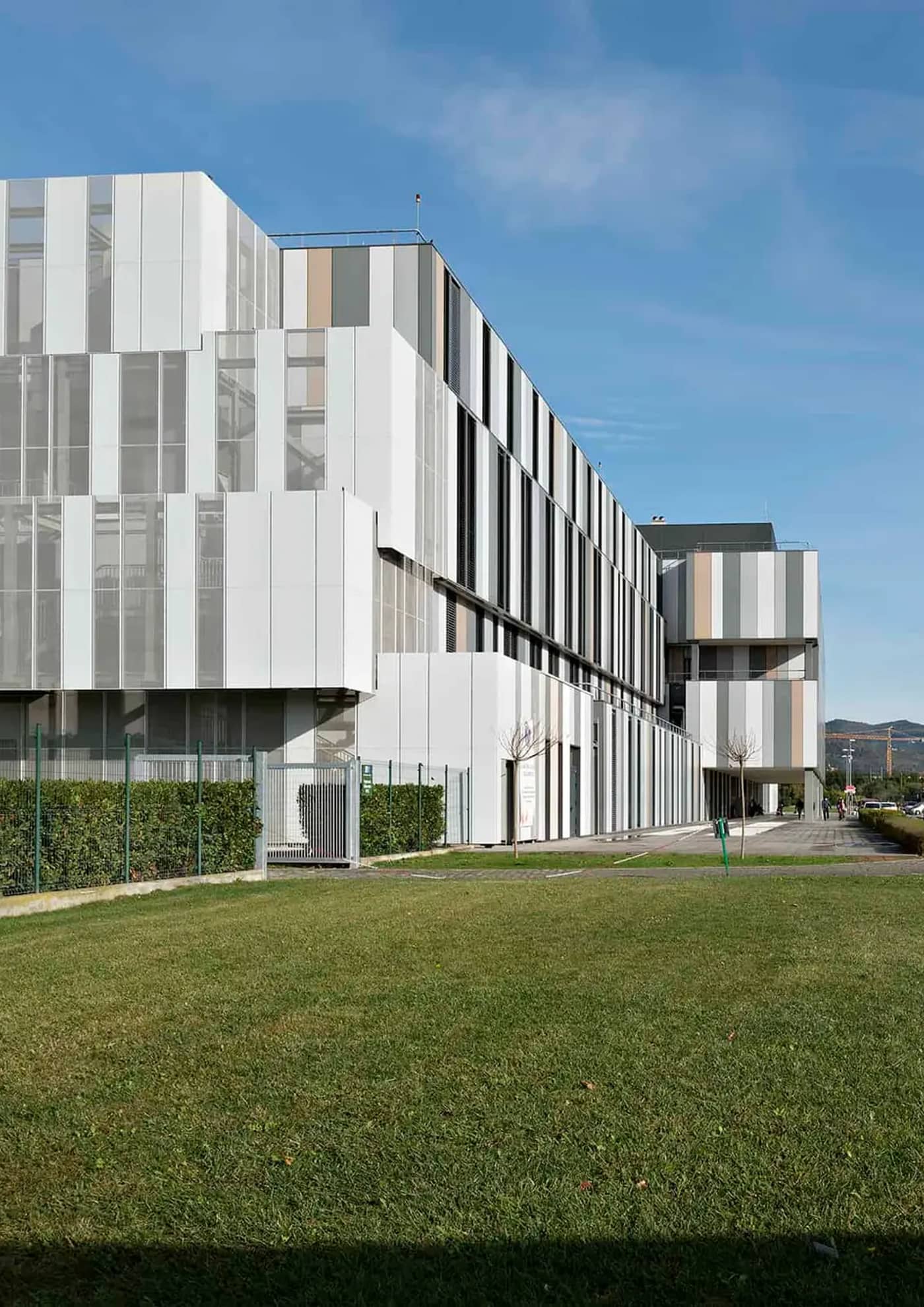
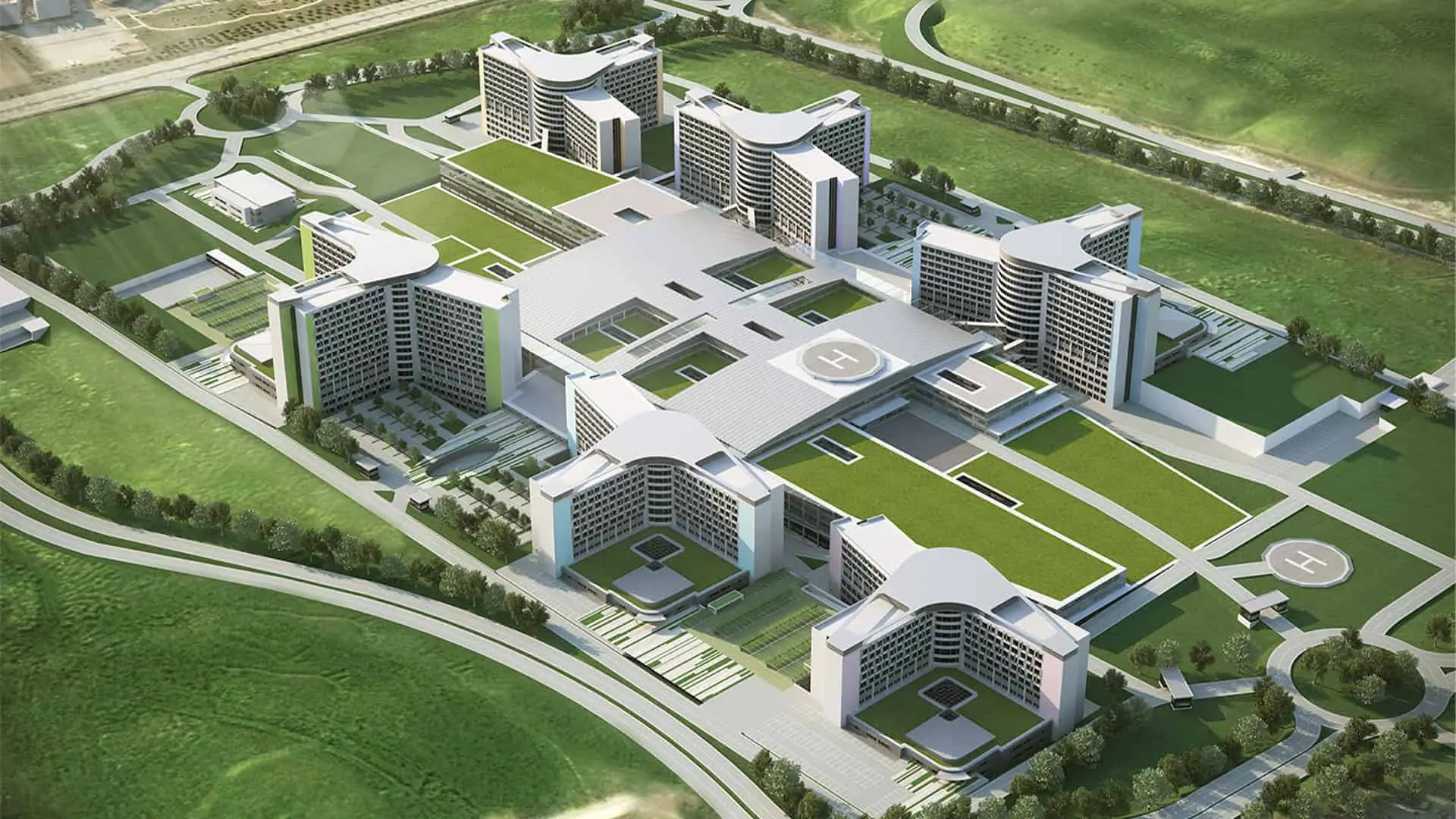
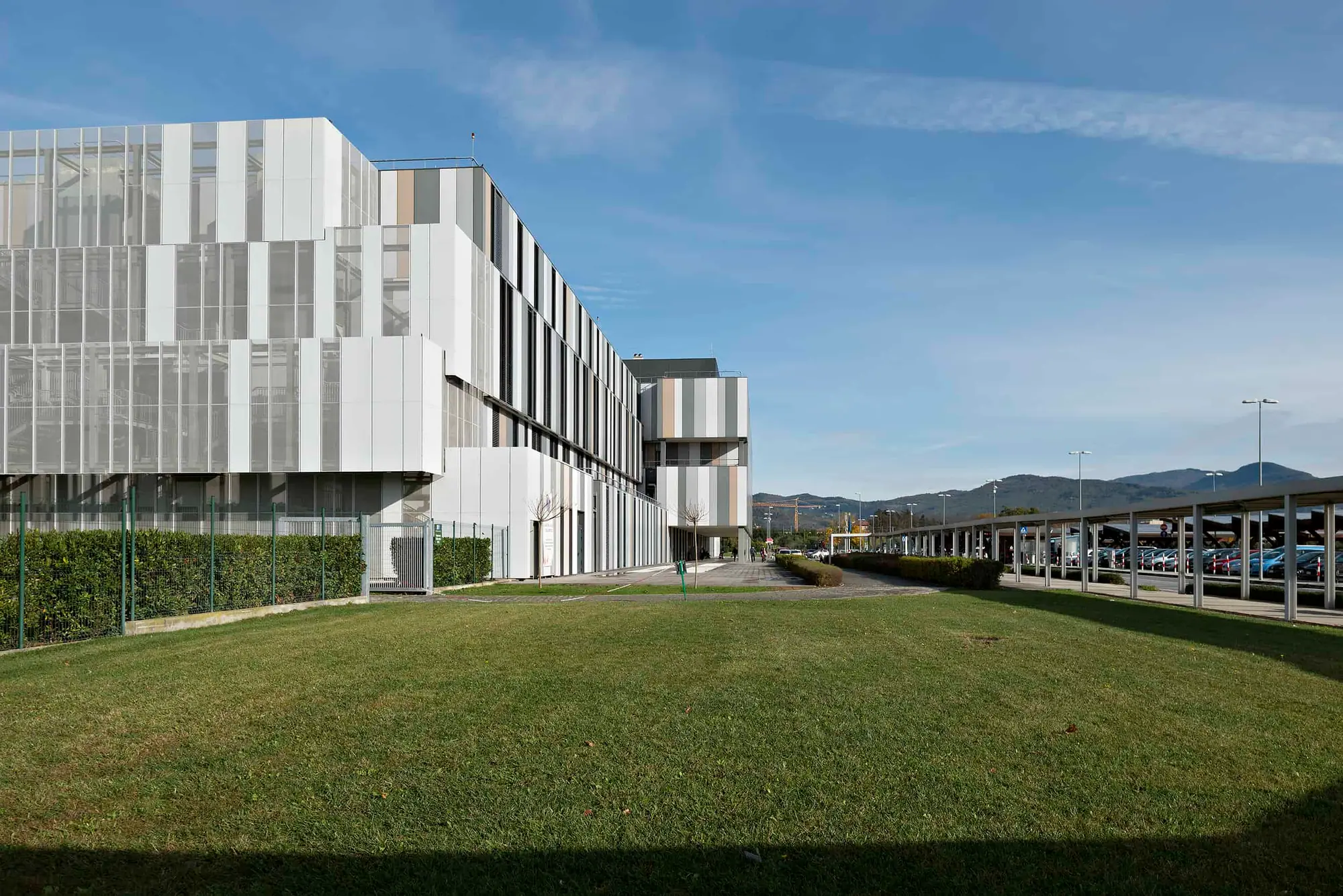
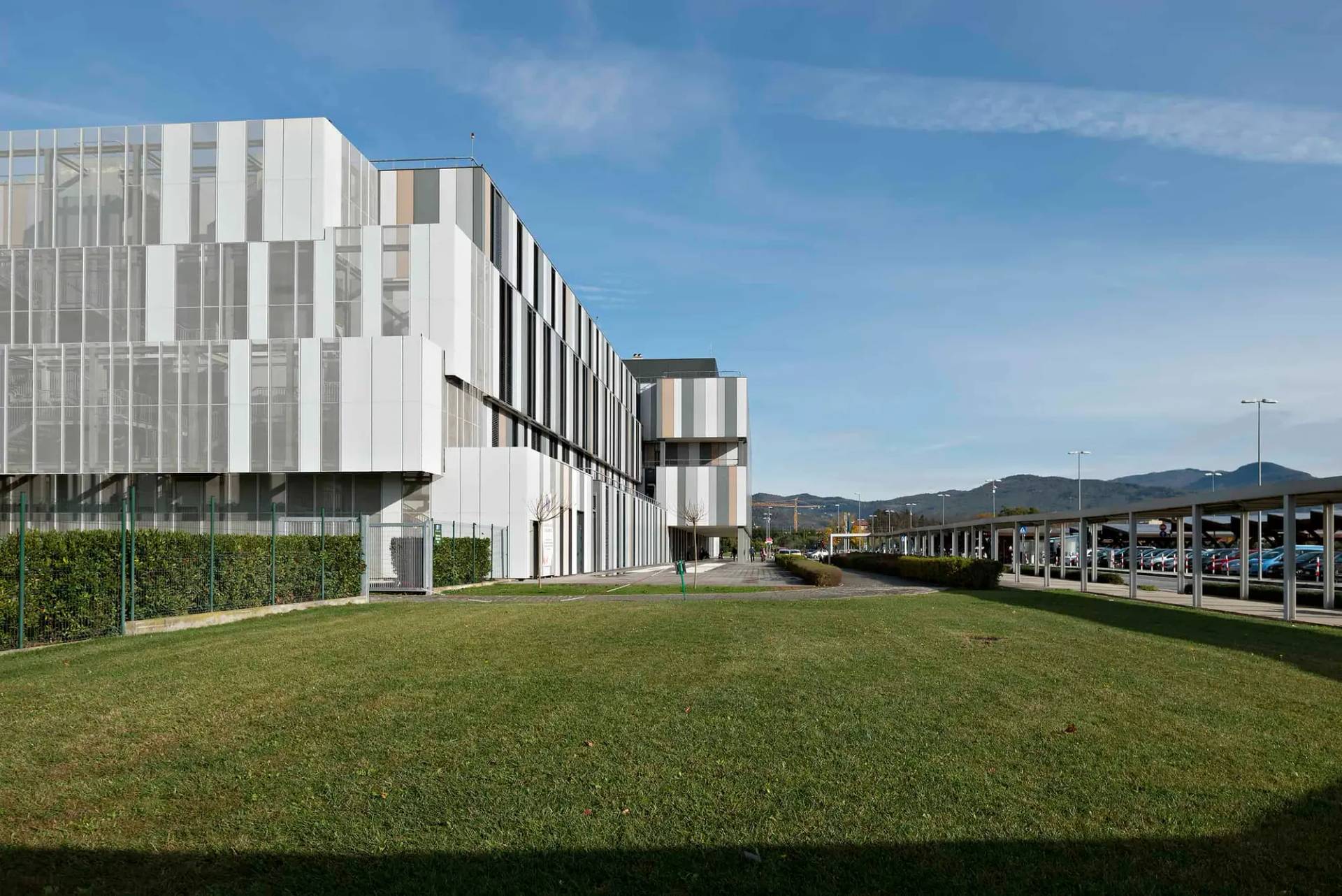
The new Santo Stefano hospital in Prato is one of four large hospitals built in Tuscany under project financing. Impresa Pizzarotti built it and manages it for 25 years. It covers 60,000 m², with 540 beds, 15 operating rooms, 40 dialysis stations, 6 labour rooms and 4 delivery rooms.
For Prato hospital, completed in 2022, BIMON created the digital model of the building and of all its MEP systems. We analysed the available data and connected the model to the hospital's management systems. BMS and IoT data were piped, together with the model, into a single data platform.
On that platform AI algorithms analyse consumption and equipment behaviour to support predictive maintenance and energy savings. In our classification this is a level 3 twin. It became possible because the model was built for operations: every piece of equipment carries the codes the maintenance team uses.
For a concessionaire with a 25-year management contract, the business case is direct. Every avoided failure and every saved kWh stays in the operator's budget. We describe the healthcare side in more detail in BIM and Digital Twin for healthcare facility management.
WTE Trieste: a construction twin on a working plant
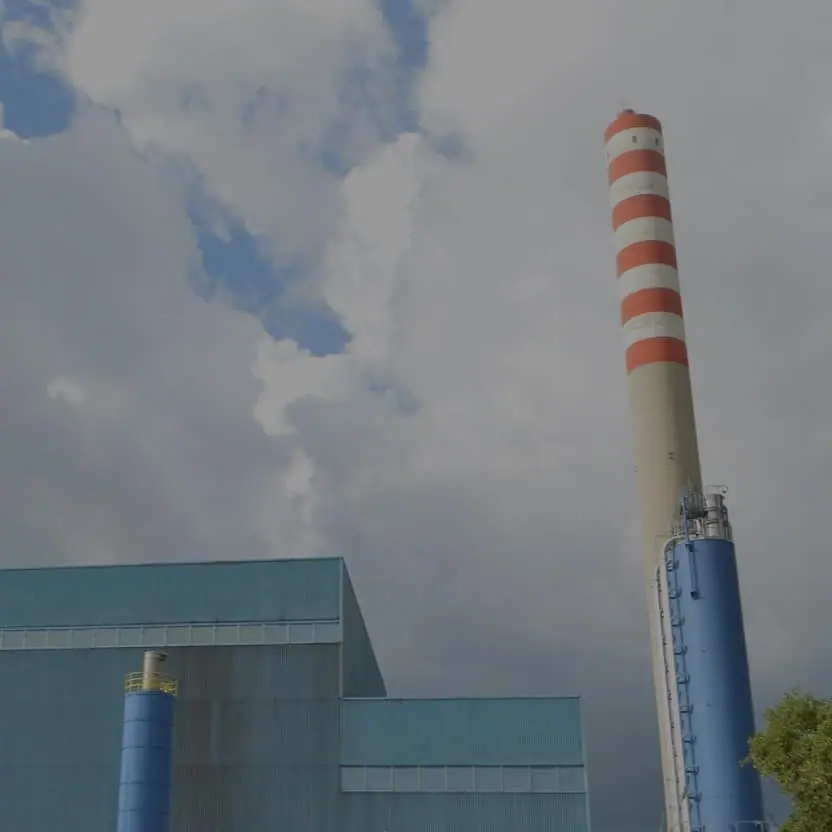
The Hera waste-to-energy plant in Trieste was expanded with a third treatment line and an entirely new thermal cycle. The new steam turbine has a capacity of 14.9 MW and can produce 100 GWh a year, against 4.85 MW and 32 GWh of the previous configuration.
On WTE Trieste BIMON created and coordinated all digital models and the simulations of construction phases and methods. The plant covers about 12,000 m², and the new machines had to fit inside and around existing structures, so every installation sequence was tested in the model before it reached the site. Clash detection and time simulations helped keep the schedule. Laser scanning of the existing plant gave the starting state, and site monitoring kept the model aligned with progress.
This is a construction twin: the model followed the site and supported decisions on sequence and space. Its as-built output is the base for the plant's future O&M twin.
MIND: a twin at district scale
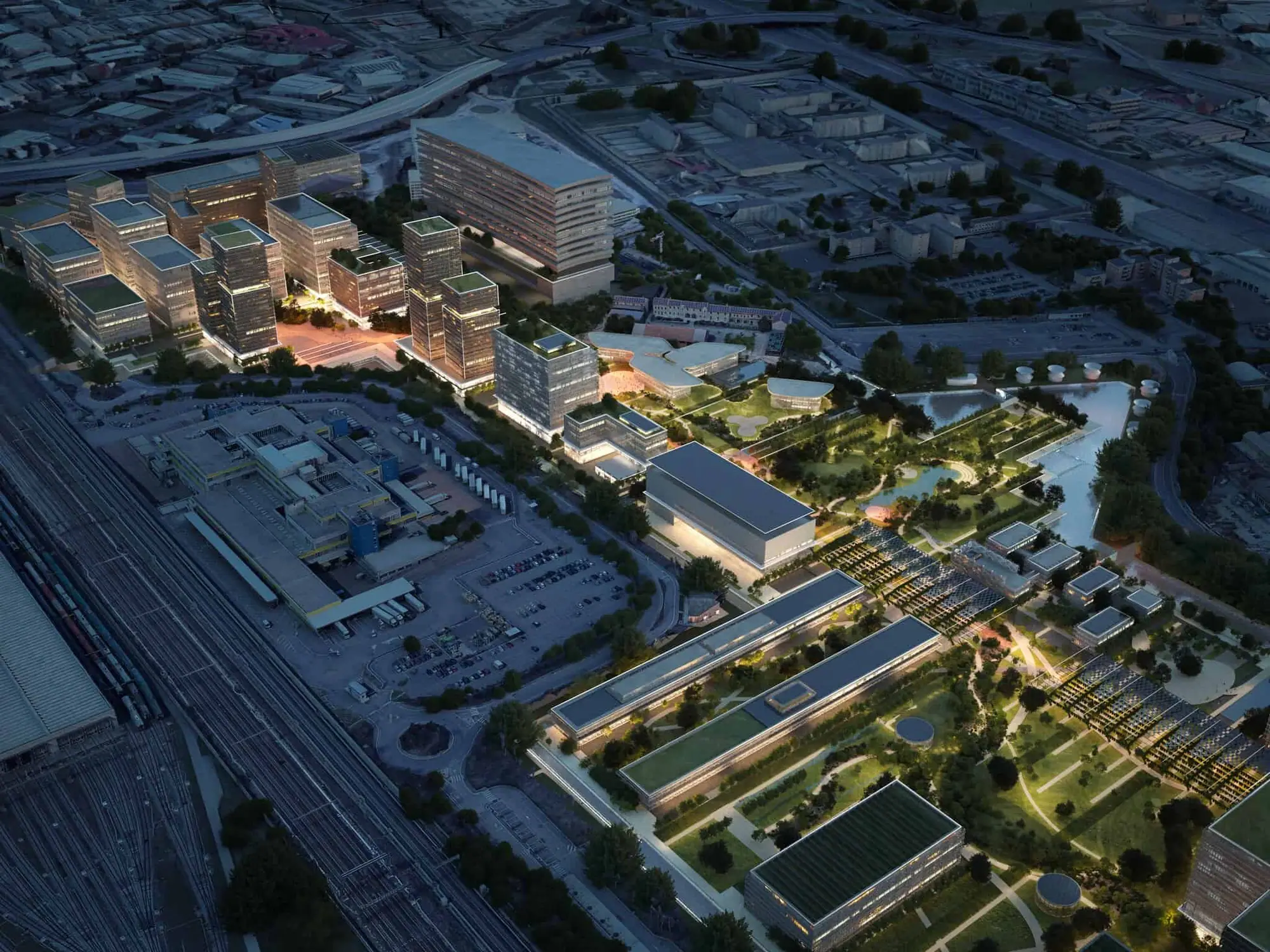
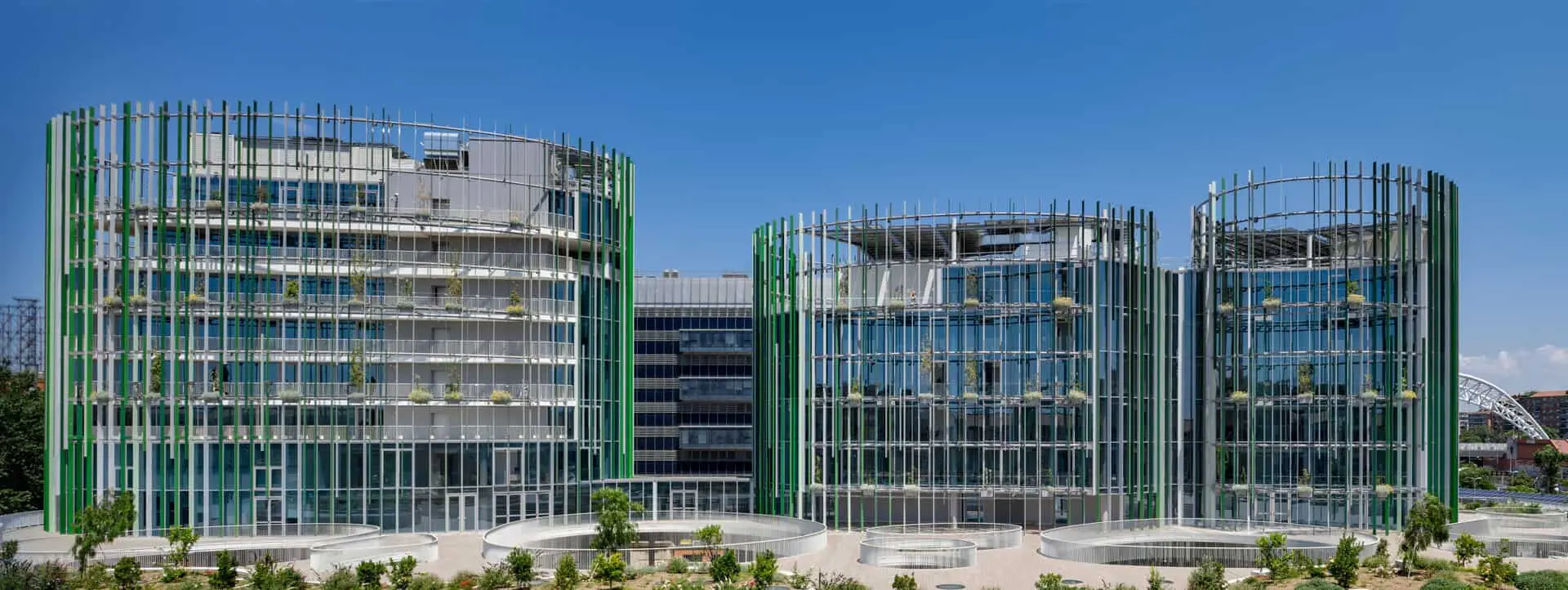
MIND Milano Innovation District covers 1,000,000 m² on the former Expo 2015 area. It hosts Human Technopole, IRCCS Galeazzi and the University of Milan science campus, along with offices, housing and parks.
For Lendlease, on MIND, BIMON is in charge of masterplan data management and BIM management of the whole site. We built a custom business intelligence layer that validates the data of every project in the district against the masterplan requirements.
At this scale the twin is first of all a data governance tool. Dozens of design teams deliver models over several years. Without common rules, shared identifiers and automatic checks, the district twin would be a collection of incompatible files. Here the twin sits between level 1 and level 2, and its main value is consistency across projects.
How to start
Our advice to owners is short.
- Start from a decision. Pick one question the twin must answer, for example "which equipment generates most reactive maintenance". The data model follows from it.
- Fix the identifiers. Asset codes must be the same in the BIM model, the BMS and the CMMS. This is boring work and the most important.
- Use the data you have. BMS logs and work orders are usually enough to reach level 2. Add sensors only where a decision needs them.
- Write it in the contract. In public works, the capitolato informativo can ask for handover data structured for operations. Annex I.9 of the Italian Code explicitly lists this among the possible award criteria. See our guide to the BIM mandate.
What BIMON does
We build both families. Our O&M Digital Twin service covers modelling, data integration and analytics for buildings in use. On sites we combine site monitoring and construction AI to keep the model aligned with progress. If you have an asset and a question you cannot answer with your current data, that is usually the right starting point for a conversation.